
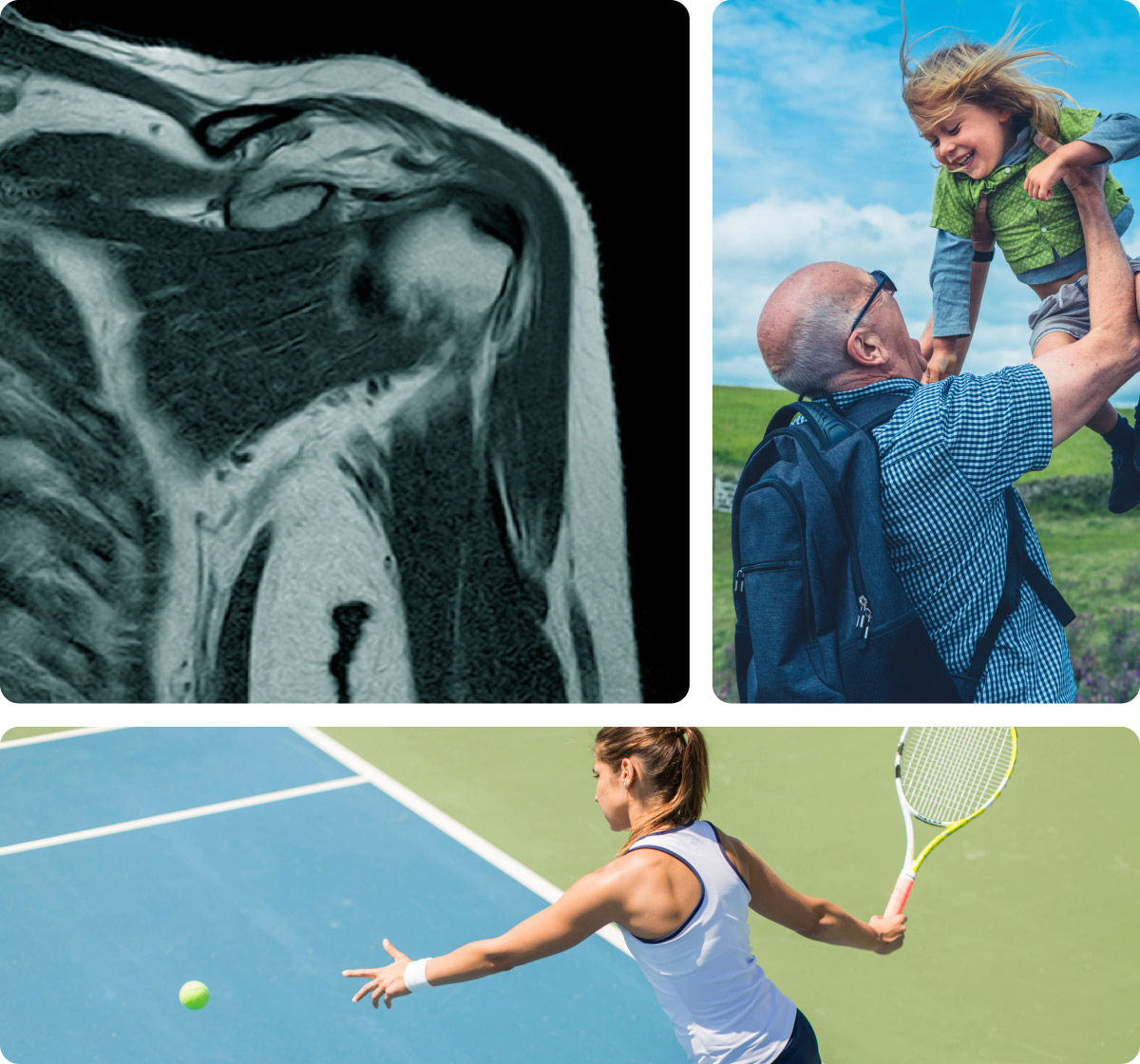
Rotator cuff repair is a surgical procedure that reattaches a torn tendon to the upper arm bone, restoring the muscle’s ability to stabilize and move the shoulder. During the procedure, the surgeon secures the tendon using anchors and sutures that hold the tissue in place as it heals.
This procedure is commonly performed using minimally invasive arthroscopic techniques, allowing the surgeon to access the joint through small incisions while minimizing disruption to surrounding tissue. Arthroscopy also enables treatment of additional damage within the shoulder.
By restoring the tendon’s attachment, rotator cuff repair can relieve pain, improve strength, and help patients regain functional shoulder movement.
When We Would Recommend This Treatment
Rotator cuff repair may be recommended when a tendon tear causes persistent pain, weakness, or loss of function that does not improve with conservative care such as medications, physical therapy, or injections.
Surgery is often considered for full-thickness tears, significant weakness, or symptoms that interfere with daily activities like lifting or reaching overhead. Acute tears from trauma may also benefit from earlier repair to prevent tendon retraction and muscle deterioration.
For smaller tears or patients who are not surgical candidates, non-surgical treatments may still help manage symptoms and maintain function.
What to Expect
After rotator cuff repair, patients can expect some soreness, swelling, and bruising as the shoulder begins to heal. When appropriate, this procedure is performed in an ambulatory surgery center, allowing patients to return home the same day and begin recovery within hours.
The arm is typically supported in a sling for several weeks to protect the repair, and patients should avoid lifting, pushing, pulling, or reaching behind the back during this time. As healing progresses, physical therapy is introduced to restore mobility and rebuild strength.
Stiffness and weakness are common early in recovery, but function improves over time with guided rehabilitation. Regular follow-up visits monitor healing, and patients should report any signs of infection or sudden increases in pain.
Five Step Process from Diagnosis to Recovery
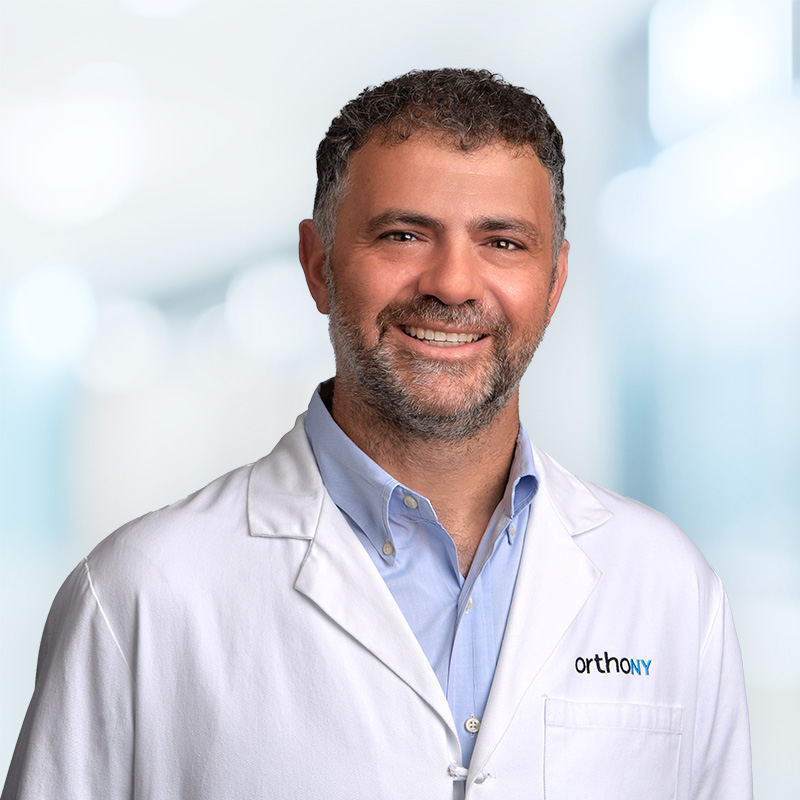
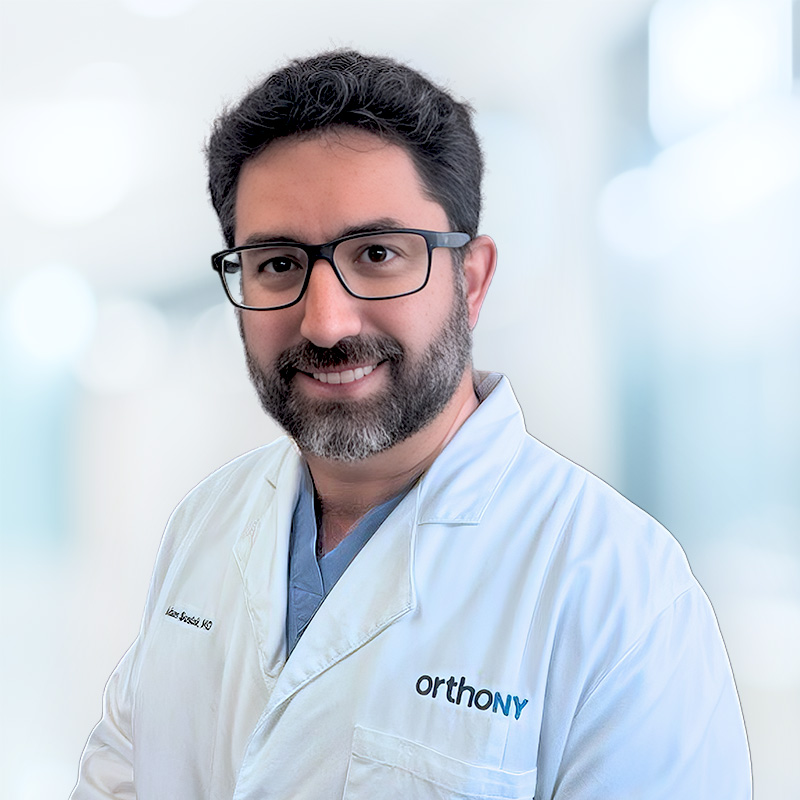
Our Top-Rated Shoulder Providers











Three Common Conditions
Rotator Cuff Tear
Partial or full-thickness tears cause pain, weakness, and reduced function, often requiring surgery when conservative care fails.
Shoulder Impingement
Partial or full-thickness tears cause pain, weakness, and reduced function, often requiring surgery when conservative care fails.
Degenerative Tendinopathy
Age-related wear and repetitive use weaken the tendons over time, sometimes leading to tears that require surgical repair.
Frequently Asked Questions
How long does recovery take after rotator cuff repair?
Recovery occurs in stages and typically takes several months. Tendon healing begins in the first few weeks but usually takes about three months for the tendon to securely reattach to the bone. During this time, patients wear a sling and avoid active shoulder use. Physical therapy starts early with passive motion and gradually progresses to strengthening. Many patients return to light activities within six weeks, but full recovery, including return to sports or heavy labor, may take four to six months or longer depending on the severity of the tear and adherence to rehabilitation.
What activities should I avoid after surgery?
Patients should avoid lifting, pushing, pulling, or reaching behind the back during the early healing phase, as these movements can place stress on the repair. Driving is restricted until cleared by the surgeon and after discontinuing prescription pain medication. Light activities at waist level may be allowed while wearing the sling. As therapy progresses, movement is gradually reintroduced under guidance to ensure safe recovery.
Will I need physical therapy?
Yes, physical therapy is essential for a successful recovery. Early therapy focuses on maintaining flexibility while protecting the repair, followed by gradual progression to active motion and strengthening. The duration and intensity of therapy depend on the size of the tear and individual recovery goals. Following the prescribed therapy plan improves outcomes and reduces the risk of stiffness or reinjury.
When should I contact my provider after surgery?
Patients should contact OrthoNY if they experience fever, redness, drainage, worsening pain, numbness, or swelling that does not improve. These symptoms may indicate complications that require prompt attention. Patients should also report any falls or concerns during recovery. Ongoing communication and follow-up visits help ensure proper healing and optimal outcomes.