
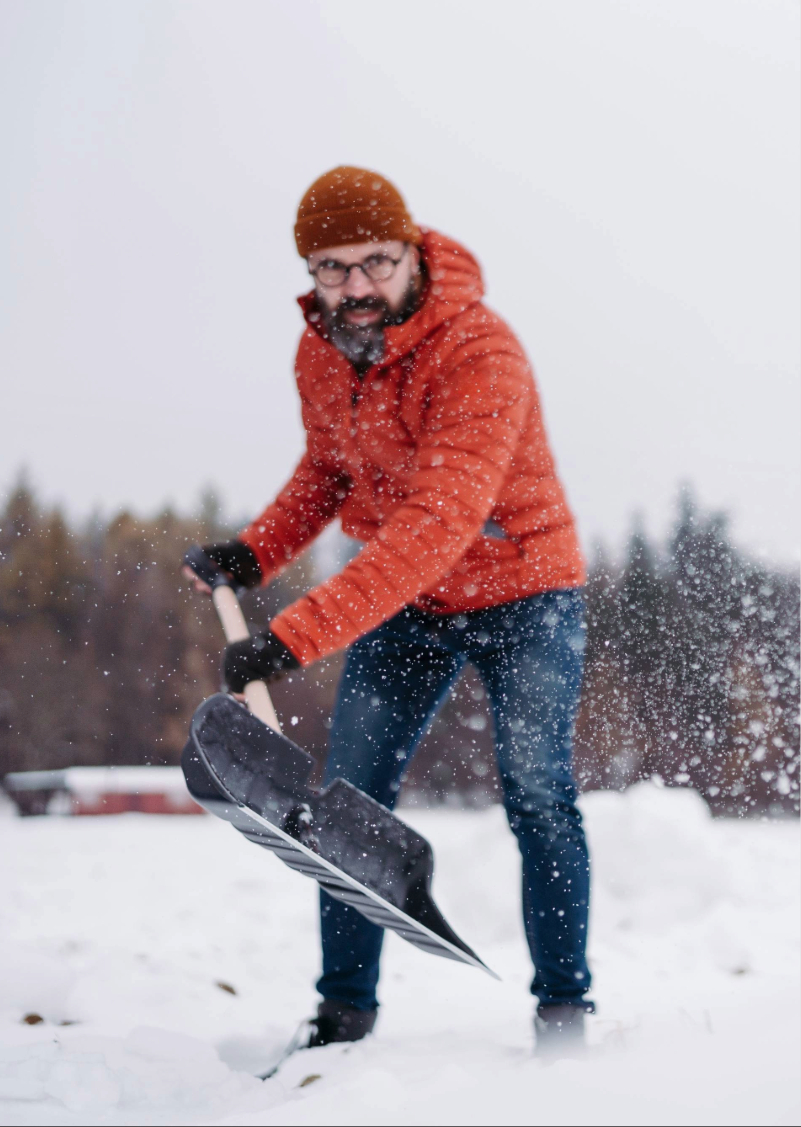
Overview of Safety Tips for Shoveling Snow
Approximately 11,500 Americans sustain injuries each year while shoveling snow, often due to overexertion or improper technique. Although some injuries are not serious, others require treatment from specialists and may even result in orthopedic surgery to repair the damage.
With locations across the Capital Region of New York, the experts at OrthoNY have treated their fair share of shoveling-related injuries. To help prevent a flurry of injuries and pain, it’s essential to follow a few simple safety tips for shoveling show, such as:
- Prepare ahead of time by drinking water, performing a proper warm up including stretches and light exercise, and wearing protective clothing.
- Make shoveling a driveway easier and more efficient by shoveling a path down the center and then pushing the snow off to either side.
- Use safety-minded shoveling techniques, such as lifting with the knees and avoiding twisting the body
- Know the signs that emergent medical attention is needed, including chest pain, shortness of breath, and nausea.
How to Prepare Your Body Before Shoveling Snow
Although it might be tempting to just grab a shovel and get the work done, it’s critical to prepare for the job ahead of time. Drinking plenty of water to hydrate and avoiding caffeine, alcohol, and a large meal can help reduce the chance of suffering shoveling-related injuries. Taking time to warm up and put on protective clothing can also make a significant difference.
Spend 10 Minutes Warming Up
Snow shoveling is a strenuous activity, and research shows that warming up before engaging in strenuous activities can reduce the risk of injuries by up to 30%. The right kind of movements help warm up muscles to get them ready for activity. They also help slowly get the heart rate up before strenuous activities begin.
It takes at least 10 minutes to prepare the muscles and enhance flexibility. An effective warmup also prepares the heart and respiratory system by widening blood vessels, which helps increase the supply of oxygen delivered throughout the body. A few warmup exercises to consider include:
- March in place, use a stationary bike, or walk on a treadmill for 5-10 minutes.
- Take time to stretch. Stretching the hamstrings and calves can help improve flexibility and reduce lower-body stiffness. For a hamstring stretch, sit upright and extend one leg forward, then gently lean at the hips until you feel a stretch along the back of the thigh. For the calves, stand facing a wall, step one foot back, and press the heel into the floor while keeping the leg straight. Hold each stretch for 30 seconds and repeat on the opposite side.
- Perform dynamic movements like arm circles, with arms palm-side down and extended at shoulder height. Move your arms in circles 10 to 25 times and change directions.
Wear the Right Gear
Temperatures of 32 degrees Fahrenheit or lower can cause skin damage known as frostbite. The longer skin is exposed to cold air and windy conditions, the more likely it is that the tissues are damaged. People younger than 18 and older than 65 have a higher risk of suffering frostbite, but it’s important for everyone to dress appropriately to protect themselves.
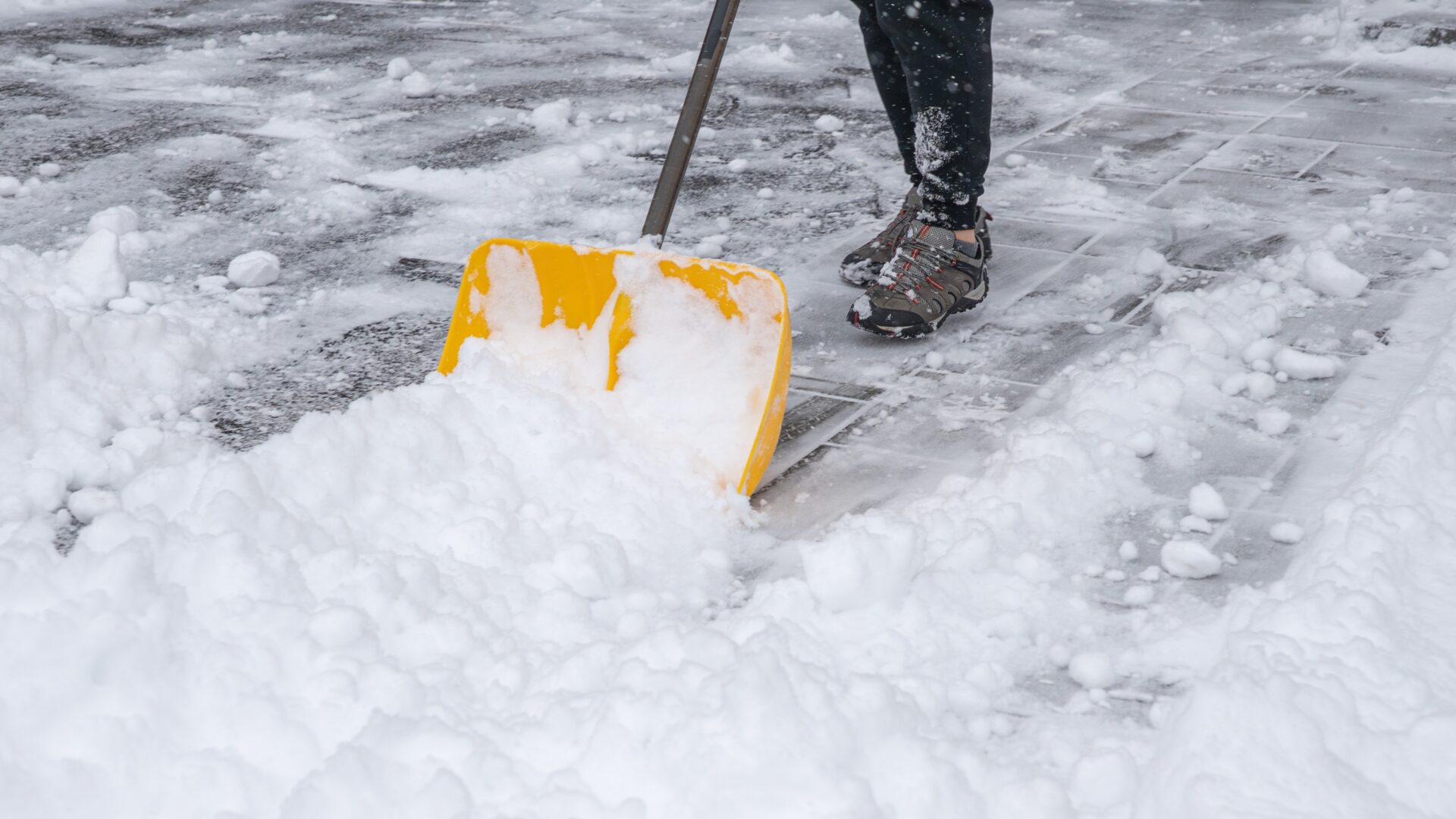
The Best Way to Shovel a Driveway with Proper Technique
In some instances, homeowners may be able to skip the shovel altogether. For example, a leaf blower can quickly and efficiently clear a snowy driveway. However, this technique works best with light, fluffy snow that isn’t any deeper than 2 inches on the ground.
When shoveling is the best option, using proper techniques can make the process safer and more efficient.
- Start at the end of the driveway nearest to the house and work toward the street.
- Clear a path down the middle of the driveway, creating two halves.
- Walk along that path, pushing the snow to the side of the driveway to clear one half of the driveway.
- Finish by pushing the snow on the remaining half to the side, again working horizontally to clear the second half.
- Apply ice melt, rock salt, or other traction-gaining materials, if necessary.
How to Protect Your Back, Shoulders, and Wrists While Clearing Snow
The average shovelful of snow weighs anywhere from 5 to 7 pounds, although a shovel of heavy, wet snow can weigh 16 pounds or more. Lifting even lighter amounts can put strain on key muscles and joints and even stress the cardiovascular system. The combination of cold air and sudden exertion on all parts of the body, particularly the back, shoulders, hands, and wrists, puts all these zones at risk of injury. Let’s explore three ways to protect yourself while shoveling or clearing snow to ensure a safer experience.
Timing Is Everything
Start early and shovel often. Lifting light, fresh snow is significantly easier than waiting until a heavy accumulation has fallen. Snow levels of 2 inches or less require less exertion to remove. Consider shoveling at regular intervals to keep up with the volume, rather than waiting until the snowfall ends.
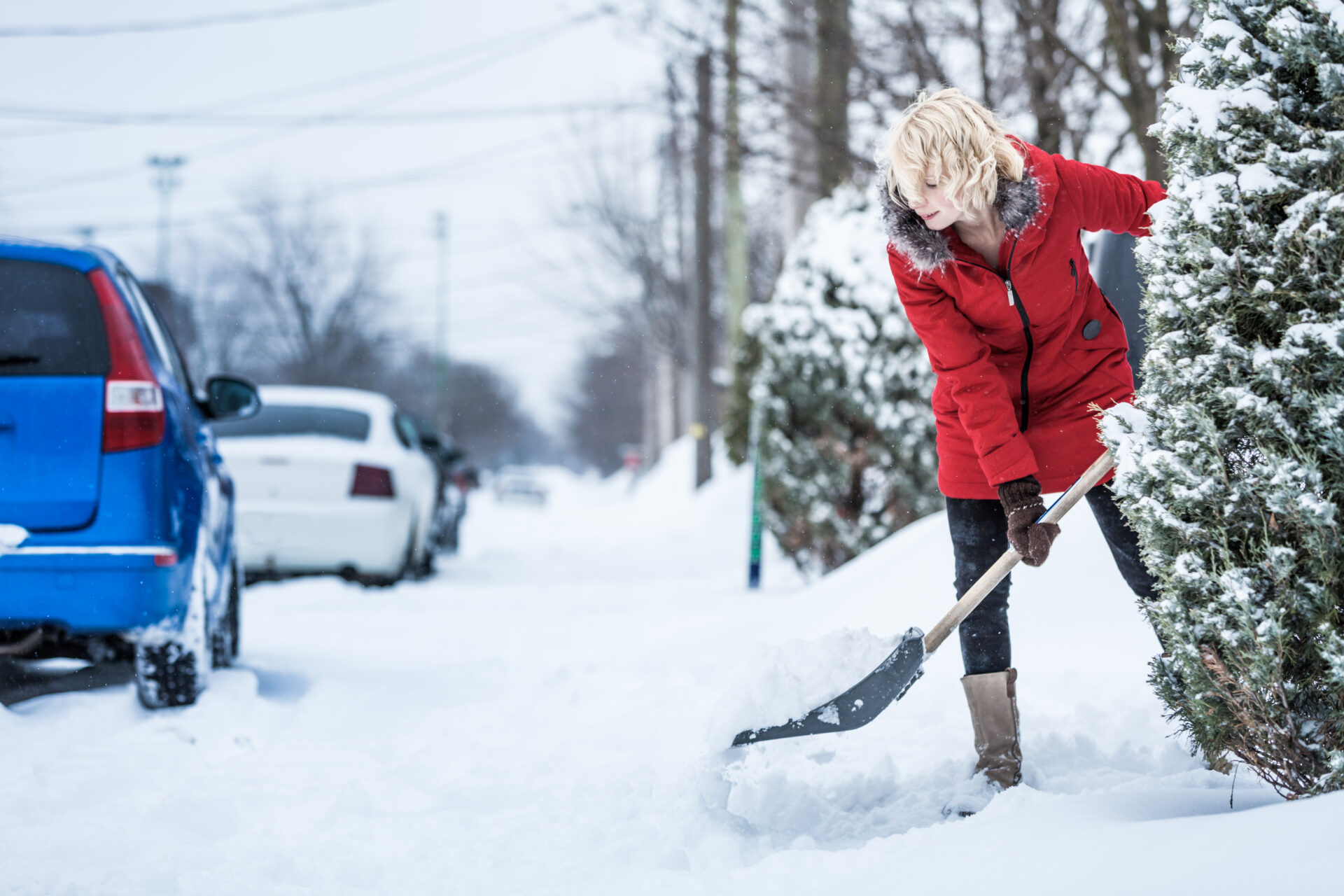
Lift with Your Legs
There’s a good reason that this is standard advice when doing any heavy lifting. The back will still be engaged, but allowing the muscles in the legs to take on more of the work can protect the back from injury. Common lifting-related back injuries include lumbar strain or damage to tendons and muscles in the lower back. Herniated discs, which are the shock-absorbing cushions situated between each vertebra, and back sprains, characterized by torn or stretched ligaments, are also common. To reduce the risk of back injury, consider the following tips to improve your shoveling form:
- Stand with feet shoulder-width apart and hands about 12 inches apart.
- Bend at the hips and knees and pull your abs in to engage your core.
- Push the snow instead of lifting it. When you do lift, avoid lifting it over your shoulder, which can create heavy strain on the back and shoulders.
- Fill the shovel no more than halfway and walk it to where you can deposit the snow, avoiding twisting whenever possible.
Bonus Tip: As you shovel, take frequent breaks, pace yourself, and pay attention to your body. It will tell you when it feels overworked.
Protect Hands and Wrists
Lifting with the knees doesn’t just protect the back. It also helps protect the shoulders, wrists, and hands. Gripping and lifting snow can lead to injuries to tendons in the hands and wrists. Avoid bending or extending wrists while pushing or lifting the shovel. Instead, keep them in a neutral position and use minimal arm movement.
Is Shoveling Snow Good Exercise and What Risks to Consider
Shoveling snow can be a vigorous, full-body workout that raises the heart rate quickly and engages the legs, core, and upper body. Because the movements are often repetitive and unfamiliar, it can also lead to muscle soreness or strain.
There are important risks to consider, especially in cold conditions and on slippery surfaces. Heart rate and blood pressure can rise rapidly during shoveling, particularly when lifting heavy snow or holding your breath. Taking frequent breaks, lifting lighter loads, staying hydrated, pushing snow when possible, and using an ergonomic shovel can help reduce strain and improve safety.
When to Seek Medical Support After a Snow Shoveling Injury
For people who live a sedentary lifestyle or have a history of heart disease, it’s essential to consult a doctor before picking up a shovel. It’s equally important for everyone, regardless of their current health status, to be aware of the signs that they need medical intervention. If you experience any of the following symptoms, consult a doctor or dial 911.
Signs of a Shoveling-Related Injury
Heart-related problems aren’t the only thing to watch for when shoveling. Frostbite and hypothermia from prolonged exposure to the cold can also cause problems. Strains, sprains, and other injuries frequently occur, as well. Some of the signs to watch for include the following:
- Sharp pain, tightness, and limited mobility in the lower back
- Numbness or pain that radiates or a tingling down the legs
- Weakness, stiffness, and pain occurring after lifting your arm
- Clicking sounds, swelling, or stiffness in the knees or hips
- Pain in the wrist and forearm
If you experience symptoms that last more than 48 hours or don’t improve with rest, contact OrthoNY for 24/7 appointment scheduling. Likewise, if the pain worsens or you experience difficulty standing or moving, it’s time to seek medical care.
Frequently Asked Questions
What warm up techniques reduce the risk of muscle strain before shoveling snow?
Light cardio activity such as marching in place, riding a stationary bike, or walking on a treadmill helps warm up the body for more strenuous movement. As circulation increases, muscles become more flexible and better prepared for activity. Stretching major muscle groups can further improve mobility and help reduce the risk of injury.
Lower Body Stretch (Hamstrings and Calves): Sit upright and extend one leg forward, leaning at the hips until you feel a stretch along the back of the thigh. For the calves, stand facing a wall, step one foot back, and press the heel into the floor. Hold each stretch briefly, then switch sides.
Upper Body Stretch (Shoulders and Wrists): Bring one arm across your chest and use the opposite hand to gently pull it closer to your body. To stretch the wrists, extend one arm forward with the palm facing down and gently press the fingers downward using the opposite hand. Switch sides.
What signs indicate that shoveling snow is putting unsafe stress on the back or joints?
Stiffness and reduced mobility are two symptoms that should be taken seriously. Other potential signs include tenderness when touching the affected muscle, sudden sharp or shooting pain in the lower back, pain that radiates down the leg or worsens with movement, muscle spasms, and pain that intensifies while sitting, standing, bending, or walking.
What factors determine whether shoveling snow qualifies as moderate or high-intensity exercise?
The intensity of shoveling depends largely on the amount and type of snow. Heavy, wet snow and large accumulations place greater strain on the cardiovascular system, while lighter, dry snow typically requires less effort. Research shows shoveling can quickly raise heart rate and blood pressure due to sustained muscle use, heavy arm work, and cold exposure, sometimes reaching high-intensity levels within minutes.
What driveway conditions increase the likelihood of slips and falls while clearing snow?
Snow-covered stairs, icy walkways, and black ice, which is nearly invisible but very slippery, can be real hazards. Snow accumulation, particularly if it has any ice on the top or underneath, can also increase the risk of falling. Other conditions to be aware of include uneven pavement, which may be hidden by the snow; poor lighting; and shoes with smooth soles, which can slip more than those with ample tread.
What symptoms after shoveling snow signal the need for orthopedic evaluation?
An ache, tightness, or soreness in the muscles may indicate a muscle strain. Rest, stretching, and taking anti-inflammatory medications may be enough to treat minor injuries at home. However, if discomfort worsens, it could be a sign that something else may be going on. Potential signs of an injury requiring professional assessment include:
Diminished mobility of the affected area )
Significant pain, stiffness, and swelling in a joint
Difficulty bearing weight on the injured joint