Whether you are resuming an activity after an injury or simply a long winter break, returning to playing a sport too quickly is one of the most common mistakes that athletes make. Here is how to do it right and stay in the game.
Why Feeling Ready to Return to a Sport Is Not Enough
For many athletes, the decision to return to a sport comes down to a simple question: Does it hurt? When the answer is no, resuming play feels like the logical next step. In reality, the absence of pain is only part of the picture.
During any significant break from physical activity, the body deconditions in ways that are not always obvious. Strength, flexibility, and neuromuscular control all decline faster than most athletes expect, often well before cardiovascular fitness does. Everyday movement may feel completely normal while sport-specific demands remain beyond what the body is currently prepared to handle.
There is also an important distinction between tissue healing and functional recovery. An injury can heal without restoring the strength, coordination, and movement quality needed for athletic performance. During the recovery period, the body frequently develops compensatory movement patterns to protect the injured area. Those patterns tend to persist after pain resolves and can quietly increase the risk of reinjury when training intensity picks back up.
A formal functional assessment known as a sports medicine evaluation provides a clearer picture of actual readiness, rather than relying on how the body feels on any given day.
How a Structured Return to a Sport Program Works
A phased return to playing a sport is the standard of care used by orthopedic and sports medicine professionals. It is not just an optional step reserved for elite athletes. It applies to recreational runners, weekend players, and competitive athletes alike.
Phase 1: Re-establish the basics. The foundation comes first. Before sport-specific activity begins, the goal is to restore pain-free movement, rebuild foundational strength, and address any compensatory movement patterns that developed during the injury or break. Moving past this phase too quickly is one of the most common reasons athletes experience setbacks.
Phase 2: Reintroduce sport-specific demands. Once baseline function is restored, training should gradually begin to reflect the actual demands of the sport. Movements, loads, and intensities are layered in progressively under professional guidance, allowing the body to relearn the patterns required for performance rather than just general activity.
Phase 3: Return to full activity. Full training and competitive play are the final step and should only be initiated after functional milestones are met. The timeline is not determined by how many weeks have passed. It is determined by demonstrated readiness.
Recovery timelines are also highly individualized. The same injury in two different people can follow meaningfully different recovery arcs, depending on age, baseline fitness, and sport demands. Physical therapy is the approach that most patients take to move through these phases, with a therapist guiding progression and adjusting the plan based on how the body responds.
Why a Sport Evaluation with an Orthopedic Specialist Matters
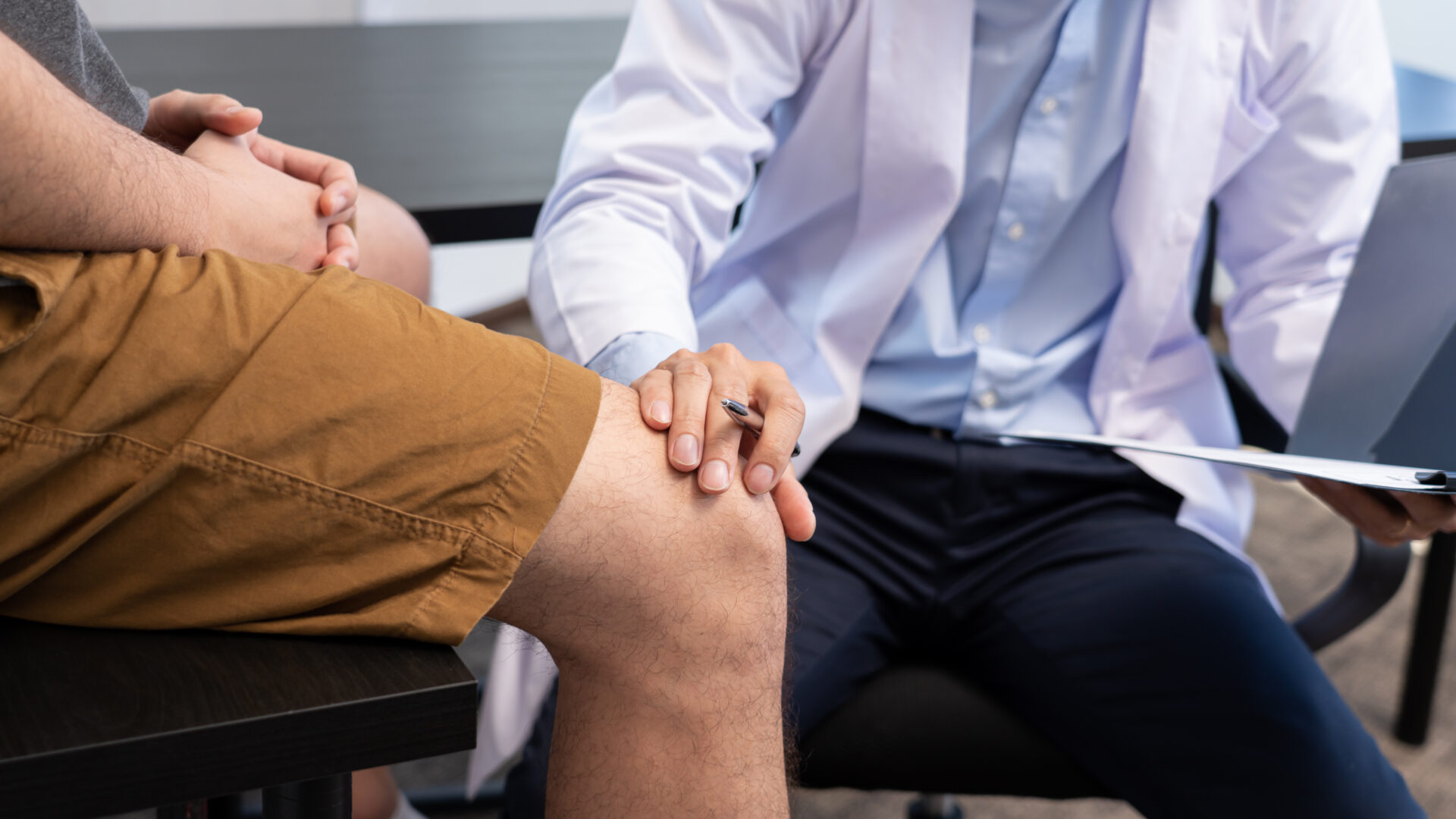
A professional assessment is not a barrier to returning. Instead, it is the most reliable starting point for resuming play successfully. An orthopedic evaluation provides an objective picture of current functionality, independent of how the athlete feels or how much time has passed since the injury. That distinction is particularly important when external pressure from a season schedule, teammates, coaches, or simply the desire to return is influencing the decision.
“A return-to-sport evaluation is not about slowing an athlete down. It is about making sure the path back is built on objective findings rather than optimism. That distinction is what keeps athletes in the game long-term.” — Eric R. Aronowitz, MD
Because this assessment is an integrated part of your recovery, it is essential to remain consistent with your scheduled course of care. Ensuring you attend every follow-up appointment with your doctor allows for a continuous evaluation of your progress and ensures a planned, medical approach to your return to sport.
A return to sport evaluation takes place during a follow-up visit and typically includes:
- A review of injury history and the course of recovery
- Assessment of strength, range of motion, and movement quality
- Identification of deficits or compensatory patterns that need to be addressed before returning
- Establishment of clear functional milestones rather than a calendar-based return date
Athletes who complete a formal functional evaluation before returning to a sport have significantly lower rates of reinjury versus those who self-clear. For many patients, this evaluation is also where a physical therapy referral takes place, creating a coordinated plan rather than an unsupported return. OrthoNY sports medicine providers are available throughout the Capital Region to support athletes at every stage of recovery.
Signs You Are Ready — and Signs You Are Not
Readiness for return is not always easy to assess from the inside. The following framework offers a more structured way to evaluate where recovery actually stands.
Signs that point toward readiness:
- Full range of motion that is symmetrical to the uninjured side
- Ability to perform sport-specific movements at moderate intensity without pain, swelling, or compensation
- Consistent pattern of progress over multiple days, rather than isolated good days
- Confirmation from a physical therapist or orthopedic provider that functional milestones have been met
Signs that warrant pausing:
- Pain or swelling that appears during or after activity, even at low intensity
- A persistent tendency to guard or favor the injured area during movement
- Anxiety about returning that extends beyond ordinary nerves, as psychological readiness is a meaningful component of returning to a sport, making it essential to discuss it with a provider
- A return timeline driven by external schedule pressure rather than functional progress
If any of those signs are present, that is important clinical information. It does not mean returning to a sport is out of reach. It means the healing process needs additional time, and that time is a worthwhile investment.
Don’t leave your comeback to chance; completing your full course of care and attending all follow-up visits is the only way to be officially cleared for the field. If you are just starting to address an injury, scheduling an evaluation with a sports medicine specialist is the most reliable way to get an accurate picture of your readiness and build a roadmap for a safe return to sport.
Schedule a Return to Sport Evaluation with OrthoNY
Returning to a sport successfully is not about how quickly you recover; it is about how well you prepare to do so. Athletes who approach the process with structure and the right support are far more likely to return with confidence and stay in the game.
With offices in Albany, Clifton Park, Schenectady, Saratoga, Glens Falls, Malta, and Delmar, OrthoNY sports medicine specialists work with patients throughout the Capital Region. To get started, schedule an appointment or call your nearest OrthoNY location.
Frequently Asked Questions
Can sports physical therapy and rehabilitation help prevent injuries?
Physical therapy is not just a tool for recovery. It helps athletes identify and correct movement deficiencies, muscular imbalances, and compensatory patterns before they cause new or additional injuries. Many athletes work with a physical therapist and/or an athletic trainer proactively during an active season as part of an ongoing approach to performance and injury prevention.
Do I need to be cleared by a doctor before returning to a sport after an injury?
For most injuries, a formal evaluation by a sports medicine provider is strongly recommended before returning to full activity. Relying on pain levels alone to determine readiness overlooks important information about tissue healing, functional capacity, and reinjury risk.
What are the signs I am not ready to return to a sport after an injury?
Signs that additional recovery time is needed include pain or swelling during or after activity, persistent guarding of the injured area, asymmetry in strength or range of motion compared to the uninjured side, and a return timeline shaped by external pressure rather than demonstrated functional progress.
Where can I find a sports injury specialist near Albany, NY?
OrthoNY provides sports medicine care throughout the Capital Region, with fellowship-trained orthopedic surgeons and sports medicine providers at locations in Albany, Clifton Park, Schenectady, Saratoga, Glens Falls, Malta, and Delmar.