
Hip replacement recovery time varies from patient to patient. Many patients meet several recovery milestones within the first two to six weeks of surgery, although it can take several months to get back to normal activity levels. Explore typical early recovery stages and milestones to learn more about what to expect, and connect with OrthoNY to determine whether hip replacement may be the right solution to relieve your discomfort and restore mobility.
Overview of Hip Replacement Recovery Time
Recovery for hip replacement surgery begins nearly immediately after surgery, with patients encouraged to mobilize within hours of their procedures. Early recovery typically occurs within three stages spanning the first six weeks of hip replacement surgery. Milestones include walking without needing a cane or walker, returning to work, being able to drive, and resuming all normal activities.
Patients’ recovery timelines largely depend on their age and overall health, the type of procedure they have, and how well they adhere to their physical therapy instructions. Patients should contact their care teams immediately at OrthoNY if they notice signs of infection, experience severe pain, or suddenly lose their range of motion.
Early Recovery Stages After Hip Replacement Surgery
Recovery from hip replacement surgery begins immediately. Our care team follows structured early-mobility protocols coordinated closely with physical therapy to help patients begin moving as soon as it is safe after surgery. In many cases, patients are assisted to stand, walk with support, and practice stairs within hours of their hip replacement. This early movement helps reduce the risk of postoperative complications and may shorten the hospital stay.
Spending extended time in bed after surgery increases the risk of complications such as blood clots, pressure injuries, and lung issues. By working with physical therapists early on, patients safely progress through sitting up, transferring to a chair, walking, and stair training, supporting both short-term recovery and long-term outcomes.
Beyond early mobilization, what can patients expect during the early part of their hip replacement recovery? While every recovery is unique, the following stages provide a general guideline.
Stage One: Day of Surgery
Hip replacement surgery is performed at our ambulatory surgery centers, and patients return home the same day. During their time at the surgery center, the care team manages pain and swelling, reviews post-surgical instructions, and works with patients to begin walking and stair training as part of established recovery protocols.
Before discharge, patients complete physical therapy milestones and receive clear guidance to support a safe and effective recovery at home.
Stage Two: Early Motion (Weeks 0 to 3)
Physical therapy is integrated into the treatment plan from the start of care and continues through the early recovery period. Patients receive guidance on exercises and safe movement strategies immediately after surgery, with a focus on restoring mobility, strength, and independence at home.
During the first few weeks, patients progress through structured movement goals with physical therapy support, which has been shown to reduce the risk of complications and support a smoother recovery.
This has been the standard since the Center for Medicare and Medicaid Innovation Center unveiled its Comprehensive Care for Joint Replacement Model in 2016. The research surrounding the CJR model found that not only was it safe to go home, but it can also reduce post-surgical complications.
During this stage, patients are allowed to participate in gentle and increasing activity levels. These often include completing rehabilitation exercises, attending physical therapy, showering with precautions, and walking short distances.
Stage Three: Late Motion (Weeks 3 to 6)
Patients will gradually increase their activity levels under the guidance of physical therapists and their orthopedic care teams. Goals during this stage include improving range of motion and regaining normal walking patterns while rebuilding strength.
Key Milestones in Hip Replacement Recovery
Early recovery milestones are built into the same-day care pathway and achieved shortly after surgery. Once initial mobility goals are met, patients transition home to continue building strength, confidence, and independence. Ongoing progress is measured by improved movement quality, increased activity tolerance, and greater ease with daily tasks as recovery advances through each stage.
Initial Milestones: Mobility and Pain Management (Weeks 0 to 4)
Walking with assistance from a walker or cane typically begins within 4 hours of surgery. Patients may still be taking pain medication as prescribed and applying ice to control swelling during this time.
Milestones:
- Walking short distances and navigating stairs
- Beginning physical therapy exercises
- Improving balance
- Experiencing increasingly reduced pain
- Regaining the ability to drive
Early Milestones: Increasing Independence (Weeks 4 to 8)
As recovery progresses, patients can reduce pain medications and gradually increase their activity levels. At this phase, increasing strength and range of motion continues to be a priority.
Milestones:
- Walking independently without needing a cane or walker
- Increasing activity levels under doctors’ guidance, including light housework
- Returning to work pending activity restrictions
Mid-Recovery Milestones: Building Strength (Weeks 8 to 12)
Patients continue building their stamina and strength, and many no longer need pain medications. Their gait and speed gradually return to normal during this time.
Milestones:
- Walking fully unaided for increasing amounts of time/distance
- Resuming hobbies and more strenuous low-impact exercise (under doctors’ guidance)

Long-Term Recovery Milestones: Resuming “Normal” Life (Weeks 12+)
By month three, many patients begin getting back to everyday life. However, they should consult their doctors before resuming normal activities and follow all recommended precautions.
What Influences Hip Surgery Rehabilitation Time
Three primary factors influence recovery time for many patients. They include age and overall health, the surgical approach, and the patients’ rehabilitation program. Let’s review each of these in more detail to see how they can impact the timeline for rehabilitation.
Patient Age and Health
The amount of time it takes to heal typically increases with age. Other factors, including illnesses like diabetes and heart disease, can disrupt circulation and wound healing. Body mass index (BMI) has also proven to be a significant factor in patient outcomes. Both overweight and underweight patients can experience increased complications after hip replacement surgery. In general, patients who are active and healthy before hip replacement surgery tend to recuperate faster.
Type of Hip Replacement Surgery
Hip replacement surgery can be performed using different surgical approaches, including posterior, anterolateral, and direct anterior. Each approach has distinct characteristics, and all are well-established techniques with low complication rates and similar long-term outcomes.
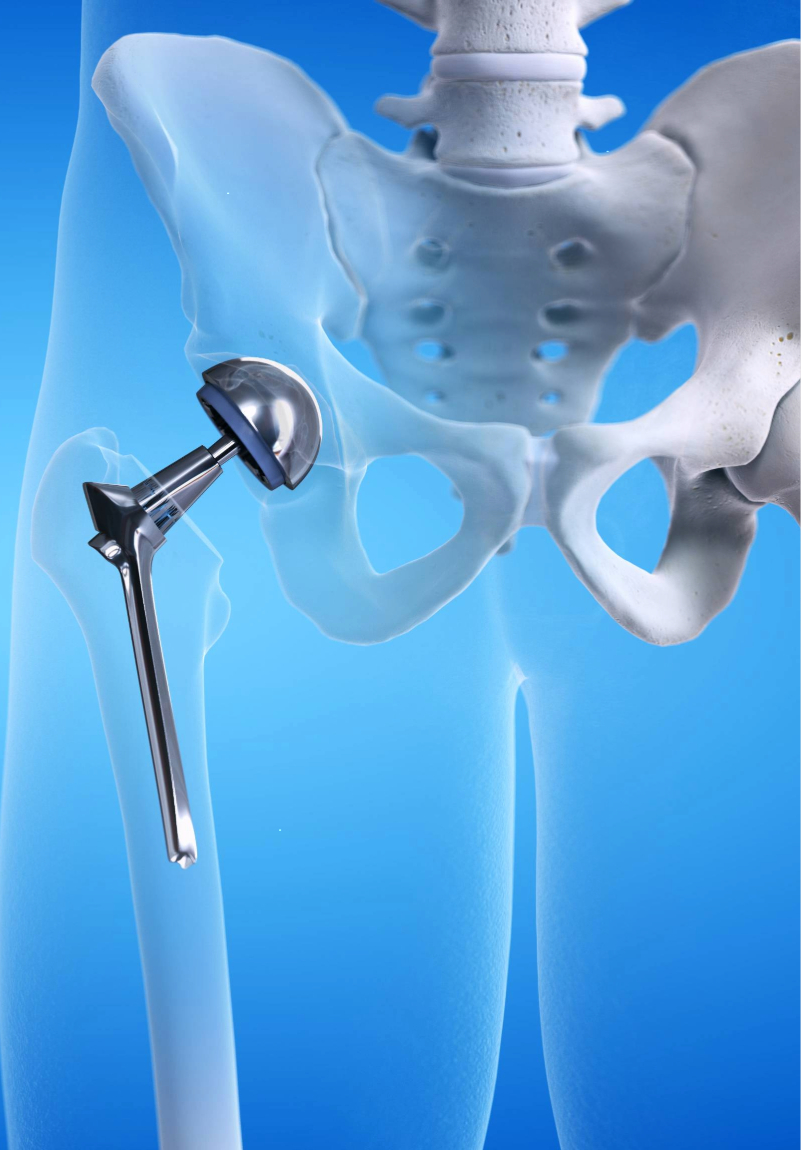
Hip replacement procedures are also defined by how much of the joint is replaced. In total hip replacement, both the femoral head and the socket are replaced. In a partial hip replacement, only the femoral head is replaced, while the socket is preserved. Regardless of approach or type, all patients have a low risk of dislocation and should avoid extreme ranges of motion during recovery. Patients with questions about their specific surgical approach should discuss them directly with their care team.
Rehabilitation and Physical Therapy
Regaining muscle strength is essential for a healthy recovery. Physical therapy helps patients safely resume normal movements and everyday activities, such as getting out of a chair initially or climbing stairs once they have healed enough to do so. Patients who do their exercises as recommended and take frequent short walks in their homes can help reduce potential complications and speed healing. Working with therapists, patients will increase activity levels and become stronger as they heal.
Having support at home is also crucial, particularly during the early stages of healing when patients may need help with bathing and other activities. Having an environment for healing with reduced fall risks and support with meals and medication management can help smooth the path forward.

When to Seek Evaluation for Delayed Hip Replacement Recovery
Everyone’s recovery is unique. However, if pain levels persist or mobility issues are prolonged beyond the typical timeline, it may be time for patients to contact their orthopedic teams. Delayed recovery could indicate a problem with the joint that needs further attention. For example, patients with hip pain that worsens after surgery, and those who fail to meet typical milestones, may require additional treatment.
Any signs of infection, including redness, pus, or other drainage, along with fever and/or chills, require immediate attention. Patients who experience shortness of breath or chest pain should call 911 immediately.
OrthoNY provides expert hip replacement surgery with locations throughout the Capital Region. From surgery planning to follow-up care, the OrthoNY team of board-certified surgeons and licensed physical therapists are here to facilitate every stage of recovery. Contact OrthoNY today to learn more about hip replacement surgery or to schedule an appointment.
Frequently Asked Questions
What is the average hip replacement recovery time for most patients?
The average hip replacement recovery time can take up to one year. Most patients are walking and getting around well within six to eight weeks, though some discomfort and difficulty sleeping are common during this stage. By four to five months, many patients feel about 80% recovered with only occasional soreness or stiffness, and improvement can continue steadily through the one-year mark as the joint feels more natural.
How long does it take to walk comfortably after hip replacement surgery?
Patients typically walk with an assistive device within 24 hours of surgery. Walking comfortably and without the need for a cane or walker typically takes two to six weeks.
What factors slow down or speed up hip surgery rehabilitation time?
Some of the factors within patients’ control include getting proper nutrition and hydration, resting, and following doctor’s instructions. Eating a diet rich in lean, anti-inflammatory, protein-rich foods like fish and plant proteins like tofu, along with colorful fruits and vegetables can support healing. It’s also critical to follow doctors’ and physical therapists’ recommendations for restricting activities that could injure the new hip. Keeping up with the recommended exercises to restore strength and balance will also speed healing and a return to normal activity levels. Avoid smoking or drinking alcohol, both of which can delay healing.
When can patients return to work or daily activities after hip replacement surgery?
Many patients can resume most daily activities by week four, with some able to start driving after their first follow-up visits. Patients must be able to discontinue their use of pain medications other than over-the-counter pain relievers. A return to work is often possible within two to six weeks, depending on the nature of the patient’s work environment. Those with desk jobs typically can return to work sooner than those with careers that require rigorous physical activity.
How can patients tell if their hip replacement recovery is progressing as expected?
Patients should experience gradual improvements throughout their recovery. Physical therapy may be challenging initially, but it should begin feeling better as patients progress. Achieving major milestones, like gaining enough strength and balance to walk without a walker or cane, also helps provide a guideline for patients. The OrthoNY team closely follows patients’ progress to ensure everything remains on track.
What symptoms indicate the need for urgent follow-up during hip replacement recovery?
Patients’ surgical teams will provide a list of warning signs and symptoms. Some of the indicators of potentially serious complications include severe pain, which could indicate an infection or other situation that requires medical attention. Additional symptoms to watch out for include the following:
Fever or chills
Redness, swelling, or discoloration around the surgical site
Bleeding, drainage, or pus at the surgical site
Shortness of breath or chest pain
Losing the ability to move the affected leg