


About Dr. Kaback
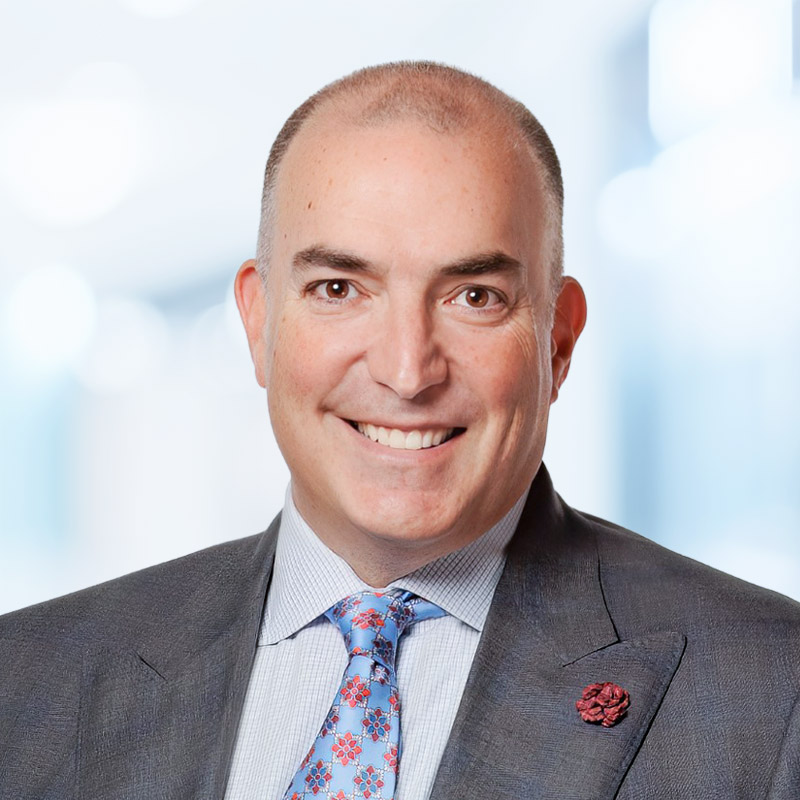
Lee Kaback is a fellowship trained shoulder and elbow surgeon. He completed his fellowship at Brown University School of Medicine in Rhode Island where he trained with many of the world’s leaders in shoulder and elbow surgery.
The typical problems that Dr. Kaback evaluates and treat include rotator cuff tears and impingement, shoulder and elbow instability and dislocations shoulder and elbow arthritis, shoulder fractures (humerous, glenoid, scapula and clavicle), elbow fractures, malunions and nonunions of these fractures, tendon injuries of the shoulder and elbow, labral tears, throwing injuries and other sports injuries of the upper extremity.
Trained by internationally renowned specialists in minimally invasive shoulder and elbow surgery, Dr. Kaback enjoys treating all athletic injuries in patients of all ages. He has significant expertise in treating should and elbow fractures, shoulder and elbow arthritis and tendonitis of the shoulder and elbow (impingement of syndrome and tennis elbow).
Dr. Kaback loves to spend time with his wife, children and two dogs. He also enjoys swimming, Peloton workouts, being active with his social media, spending time outdoors, and bespoke home bartending.
Dr. Kaback lectures and teaches surgeons nationally on the latest technologies in shoulder replacement surgery, including reverse shoulder replacement, resurfacing and stemless bone-sparing designs.
Dr. Kaback is board certified by the Academy of Orthopedic Surgeons and an active member of the American Shoulder and Elbow Society.
For more information about Lee A. Kaback, please visit www.kabackshoulder.com.
- Board Certified and Fellowship Trained
- Over 23 Years of Experience
- Expert in Elbow and Shoulder
- Distinguished Member of American Shoulder and Elbow Surgeons

Elbow – Anatomy, Conditions & Procedures
Elbow Conditions
Throwing Injuries of the Elbow
Throwing overhand again and again puts a lot of stress on your elbow. It can lead to injury. Young athletes, in particular, are at risk. Some play sports all year without learning how to throw properly. And, their bones are still growing. Let’s look at how the elbow can be damaged.
Tennis Elbow
This condition, commonly called tennis elbow, is an inflammation of the tendons that connect the muscles of the forearm to the elbow. The pain is primarily felt at the lateral epicondyle, the bony bump on the outer side of the elbow.
Cubital Tunnel Syndrome
This condition, also called “ulnar nerve entrapment,” happens to the ulnar nerve in your elbow. This nerve travels along the inner side of your elbow and down to your hand. It’s the nerve that makes the jolt you feel when you bump your “funny bone.” With this condition, your ulnar nerve is compressed, stretched or irritated.
Overuse Injuries of Elbow
If you are an athlete, or if you work with your arms and hands, your elbows may be at risk for an overuse injury. This is an injury caused by repetitive motions. This type of injury can be a problem for people who play sports such as tennis or baseball. Children also have a higher risk, because their bones are still growing.
Osteochondritis Dessicans Elbow
This is a disorder that most often affects young athletes. It happens when part of a bone in the elbow loses its blood supply. It weakens, and so does the cartilage that covers it. Bone and cartilage may break off and drift around in the elbow. That can cause the joint to catch and lock up.
Elbow Procedures
Cubital Tunnel Release
This surgery treats cubital tunnel syndrome. That’s a compression or irritation of the ulnar nerve at the elbow. During this surgery, the nerve is given more room.
UCL Reconstruction
This surgery replaces a torn ulnar collateral ligament (we say “UCL”). It’s a band of flexible tissue in the elbow. Replacing a torn UCL gives your elbow strength and stability. It restores range of motion.
Shoulder – Anatomy, Conditions & Procedures
Anatomy of the Shoulder
The shoulder is a complex structure made of three separate joints. They work together to give the shoulder a tremendous range of motion. Let’s take a closer look at the main parts of the shoulder’s anatomy.
Shoulder Conditions
Shoulder Osteoarthritis
Osteoarthritis, also called degenerative arthritis, is a gradual breakdown of cartilage in the joints. Cartilage is a tough, flexible connective tissue that protects the ends of bones in the joints. Osteoarthritis of the shoulder can severely impact a person’s lifestyle.
Shoulder Instability
This is a looseness of the shoulder joint. With it, your arm slides around too much in the socket. It may slip out of the socket easily. Instability can happen because the ligaments that hold your shoulder together aren’t tight enough. Or, the cartilage around your shoulder socket may be damaged.
Shoulder Impingement Syndrome
This is a painful pinching of soft tissues in your shoulder. It happens when these tissues rub and press against a part of your shoulder blade called the “acromion.” This can irritate your rotator cuff tendons, and also a soft sac called the “subacromial bursa.”
Weightlifters Shoulder
If overuse has led to pain in the front of your shoulder, you may have an injury we call “weightlifter’s shoulder.” It’s a type of damage that most often affects the end of the clavicle (commonly called the “collarbone”).
Broken Shoulder
This condition is a fracture of the head of the humerus – the “ball” of the shoulder’s ball-and-socket.
Calcific Tendonitis
This painful condition occurs when calcium deposits form in tendons of the rotator cuff. These tendons and surrounding tissues in the shoulder become inflamed. This condition typically affects adults.
AC Athritis
This arthritis affects a joint at the top of your shoulder. It’s where the shoulder blade’s bony protrusion (called the “acromion”) meets the clavicle. This joint acts as a pivot point when you raise your arm above your head.
Bicep Tear at Shoulder
Tendons are strong bands of tissue that connect muscle to bone. With this injury, one of the tendons anchoring your biceps muscle is torn. It may be torn partially or completely. Because the biceps is attached with two separate tendons, you may find that you can still use your biceps muscle even if one tendon is completely torn.
Rotator Cuff Tear
The rotator cuff is a group of muscles and tendons in each shoulder. It holds your upper arm bone in your shoulder socket. It keeps your arm stable while allowing it to lift and rotate. Too much stress on the rotator cuff can cause a tear. This can be a painful injury.
Shoulder Pain
Our shoulders are the most movable joints in the body. They give our arms great range of motion. They allow us to lift and control heavy loads. Shoulder pain is a problem many of us feel at some time in our lives. Let’s learn about shoulder pain, and what you can do about it.
Shoulder Procedures
Total Shoulder Replacement
This surgery fixes a damaged or diseased shoulder joint. The bad parts will be taken out and replaced with artificial parts. The new parts let your shoulder move smoothly.
Rotator Cuff Repair (Arthroscopic)
This surgery repairs a tear of the rotator cuff in your shoulder. The rotator cuff is the group of muscles and tendons. It holds the head of the humerus in the shoulder socket.
Experience & Resources
Education
Medical School
Doctor of Medicine University of Vermont, Burlington, Vermont 2004
Fellowship
Shoulder and Elbow Fellowship Brown University, Providence, Rhode Island July 2010 to August 2011
Residency
Orthopedic Surgery Residency University of Rochester (NY), Strong Memorial Hospital June 2004 to June 2010
Residency
Musculoskeletal Research Fellow University of Rochester (NY), Strong Memorial Hospital July 2006 to July 2007
Board Certifications
- Board Certified in Orthopedic Surgery by the American Board of Orthopedic Surgery (ABOS)
Patient Resources
- Elbow Contracture Information
- Elbow Scope Discharge Instructions
- Labral Repair Information
- Massive Rotator Cuff Tear Information
- Nutrition Resources to Support Surgical Recovery
- Rotator Cuff and Shoulder Conditioning Program
- Rotator Cuff Repair PT
- Shoulder Arthroplasty Discharge Instructions
- Shoulder Scope Discharge Instructions
- Subacromial Decompression – Distal Clavicle Excision / Extensive Debridement Information
- Total Shoulder Replacement PT
- Ulnar Nerve PT
Affiliations
- Executive Woods Ambulatory Surgery Center
- St. Peter’s Hospital
- Samaritan Hospital
- Everett Road Surgery Center
- OrthoNY Surgical Suites
Publications
Dr. Kaback’s Reviews
I visited Dr. Lee Kaback at OrthoNY for an injury, and I am deeply grateful for the care I received. Dr. Kaback conducted a thorough evaluation, offered honest and realistic advice, and …

Derrick Bennett
November 5th 2026
Derrick Bennett
November 5th 2026
The best
marianne walter
November 5th 2026
marianne walter
November 5th 2026
Explaining the details of my injury very helpful and caring.
John Lee
November 5th 2026
John Lee
November 5th 2026
Dr. Kaback is a true professional!! I can say that in his field of practice, he has to be the best in the Capital Region. I had a full shoulder replacement done …
John Hanlon
November 2nd 2026
John Hanlon
November 2nd 2026
In spite of my confusion when I didn’t get assigned to the provider I had made the appointment for I had a very good experience with Dr. Kaback and will be seeing …
Karen Lasky
October 31st 2026
Karen Lasky
October 31st 2026
Very impressed how efficient my appointment was handled.
Chuck Coon
October 31st 2026
Chuck Coon
October 31st 2026
Great place. Great nurses and doctors kind .
Jadyn Marruso
October 27th 2026
Jadyn Marruso
October 27th 2026
Dr. Kaback replaced my shoulder 1 year ago! I had postponed the inevitable for years expecting long rehab, severe post op pain, and life long limitations. The whole process went smoother and …
sandra inget
October 23rd 2026
sandra inget
October 23rd 2026
It was my first time there and everyone was professional, kind, and very knowledgeable. I will definitely be recommending them to others.
Michele Legge
October 20th 2026
Michele Legge
October 20th 2026
Dr kaback was so great with my son and patient
tiffany hawkins
October 17th 2026
tiffany hawkins
October 17th 2026


